Last week was tough for no reason. This week was hard, but in a different way. There are so many balls in the air and I’m struggling to juggle them all. The good news is that it isn’t raining quite as much, and it’s starting to be light in the morning as I head out to work. Spring is just around the corner.
This was a week in which I:
- Had more conversations about the reopening of the basement in our building. We need to put a sustainable process in place for people to gain access, automated as far as we can.
- Spent time at the weekend putting together a personal development plan to be used in conjunction with my line manager and our Learning and Development team.
- Helped a colleague to get back on board with using our Kanban tool.
- Met with two potential suppliers of people and reviewed some sample CVs. I’m looking to expand the set of firms we work with for temporary staff.
- Had a couple of walk-throughs of the work a colleague has done on how our technology department will respond to the overall strategy of our region, once in my team meeting and again at our broader management team meeting.
- Met with our CTO to discuss our draft change portfolio.
- Sat with a colleague to review his responses to an internal AI-focused survey that is being conducted by a well-known management consultancy.
- Had a call with my Executive Partner at our technology research and advisory firm as a follow-up to the career conversation we had last week. I also met with our account manager and our CISO to review their offering in the cybersecurity space.
- Met with an ex-colleague to see if she might be interested in a temporary role that may be emerging in my team.
- Joined the inaugural weekly project meeting for fitting out and equipping our newest office.
- Caught up with colleagues from our sister company for the weekly meeting on their office refurbishment project, and had our internal monthly meeting to review the status of the work.
- Ran our bi-weekly management team meeting.
- Met with colleagues who wanted to learn about the technology in one of our offices.
- Documented my amateur dabbling with Claude Code, publishing a post about how I resurrected my long-dead university project.
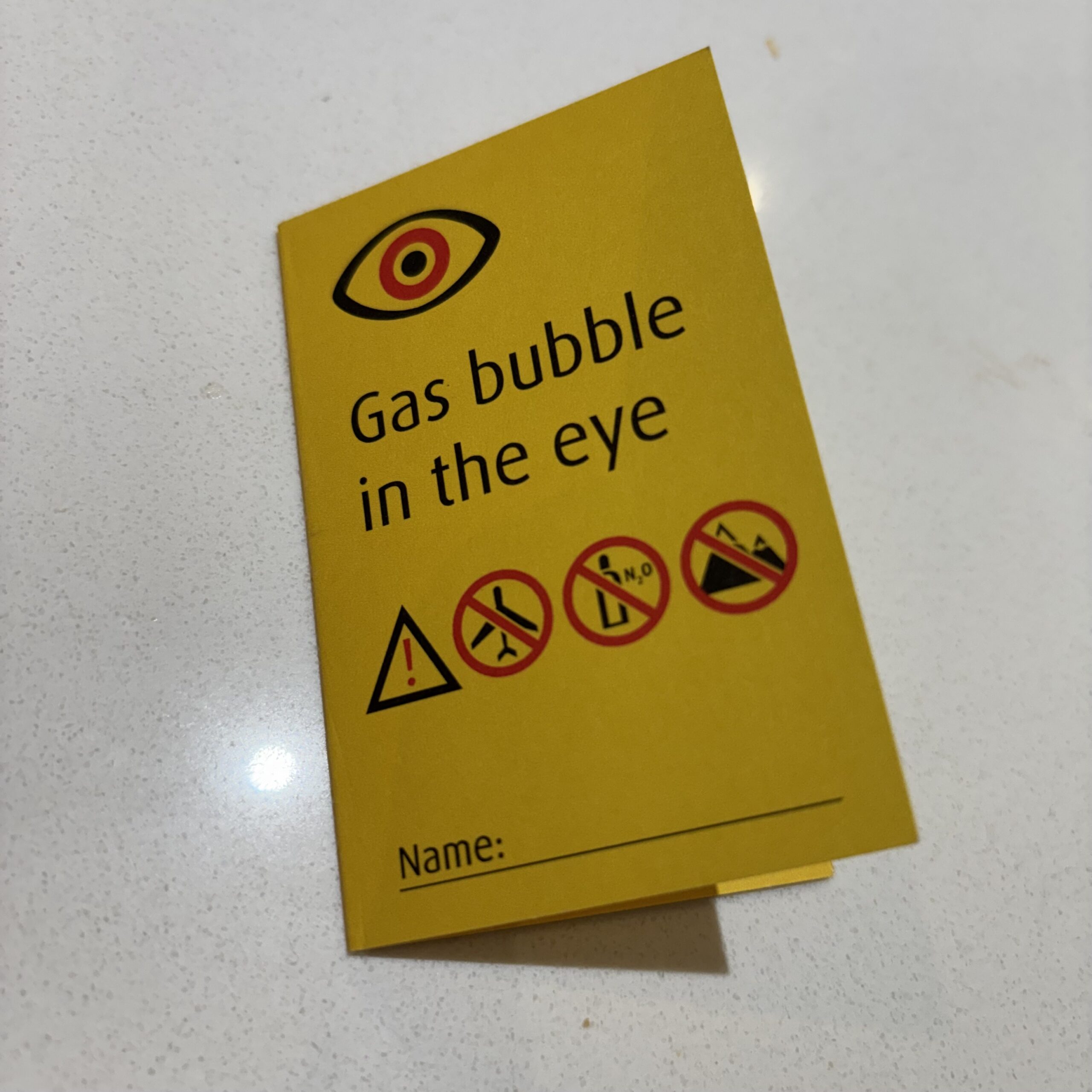
- Took my wife to the hospital for the next check-up on her eye. We seemed to be scheduled at the busiest time, and at the back of the queue for everything. On a not unrelated note, I have no idea how or why a dispensing chemist can take the best part of an hour from the point you hand over your prescription to the point you receive the drugs. Why isn’t it a case of: read form, see that it’s just for something in a box on the shelf, bag up, hand over, goodbye?
- Made plans to visit my son at university. It’s not straightforward given that he’s some 5,000 miles away from us. I’m looking forward to seeing him in his new habitat, going somewhere off the beaten track and meeting some local people.
- Along with a bunch of other paying subscribers, joined the Quiet Riot podcast editorial meeting for an hour of constructive chat.
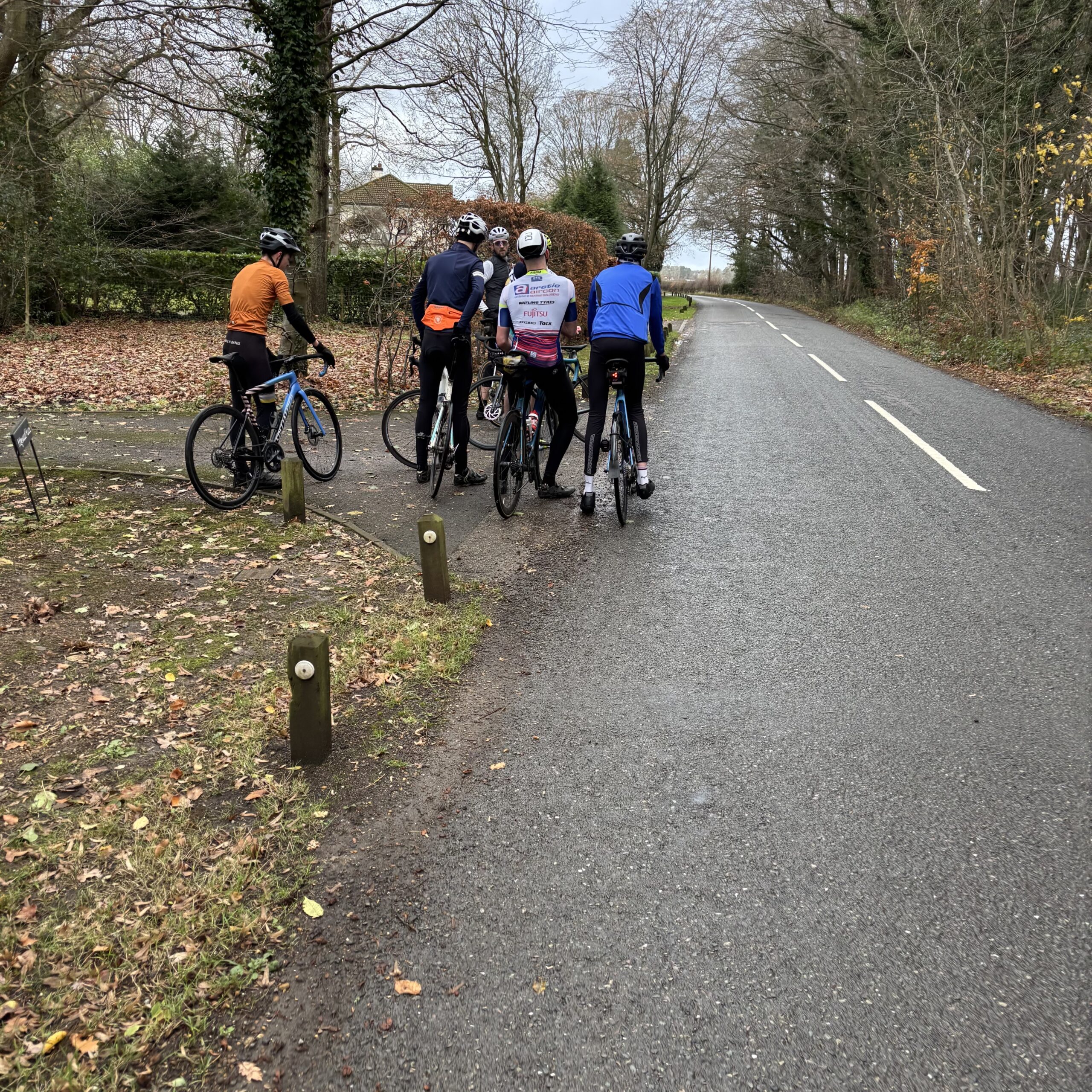
- Had a great Saturday morning ride with the cycling club. I felt very strong going up a bunch of our local hills and found at the end that I’d set new personal best times on each of them.
- Ignored TrainerRoad’s advice to rest on Sunday and instead went for a 10km run. I always feel better after I exercise, but I was feeling quite sleepy later that day.
- Watched the roofers get to work on the repair to our house.
Media
Podcasts
- The FT’s News Briefing podcast posted a good interview with Daniel Chait, CEO of Greenhouse, on the current job market.
- Really enjoyed this long interview with Peter Steinberger, creator of the currently famous in tech circles OpenClaw. Some highlights from the conversation:
- He talked about working on his first big commercial project, PSPDFKit. He loved working on support tickets and would always pick up the most recent issue first, as getting a response from the CEO in five minutes would feel magical to someone. If it has been one or two days, getting a response wouldn’t have as much impact.
- He reflects on the time he spent in the past ‘bike shedding’ and wondering whether it was worth it, given that the customer never sees the inside of the product.
- Using agentic AI to code has made him realise that he no longer has to pick his side projects, he can work on everything now.
- He talks about “closing the loop”, using automated tests (also created by the AI) so that it solves the problems and issues that it creates. He says that using the tools makes you a better architect as you need to think about how to set your project up for fast cycles where you can make rapid changes that are tested. As a developer, he hated writing tests and documentation but now those outputs are just part of the process.
- “It’s very rarely that I actually revert and have to go back. It’s just like, ‘Okay no, then let’s change this; no, no, let’s do this’ and it’s like it’s like shaping. I love how like you start with a rock and then you like chisel away at it, like pick different areas, and and then slowly like this statue emerges out of marble. That’s how I see building something.”
- Clawdbot started off as a WhatsApp relay between his phone and his computer. He “added a heartbeat” where every few minutes it would automatically be asked to “do something cool and surprise me”.
- When people submit pull requests for changes to the OpenClaw codebase, he asks them to include in their submissions the prompts they used, as he finds the prompts more interesting to read than the code.
But this new world needs people that that have a product vision that can be able to do everything. And you need far fewer of them, but ultimately just very high agency and and high competency people. But you can you can probably like trim the company down to like 30%, which is very scary because, I mean, economically, this will all lead into a fiasco.
And a lot of people will have trouble finding a place in this new world, but I’m not the least surprised that current companies cannot very successfully use AI.
I mean, they do to a degree, but you have to do a big refactor first, you know?
Like, not just on your code base, but also on your company.
- The Guardian’s Politics Weekly America featured an excellent profile of Jesse Jackson, who passed away this week.
Articles
- It’s interesting to see more companies releasing enterprise browsers.
- Simon Willison has coined the term ‘Deep Blue’ to denote “the sense of psychological ennui leading into existential dread that many software developers are feeling thanks to the encroachment of generative AI into their field of work”.
- Margaret Storey writes about “How Generative and Agentic AI Shift Concern from Technical Debt to Cognitive Debt”:
I saw this dynamic play out vividly in an entrepreneurship course I taught recently. Student teams were building software products over the semester, moving quickly to ship features and meet milestones. But by weeks 7 or 8, one team hit a wall. They could no longer make even simple changes without breaking something unexpected. When I met with them, the team initially blamed technical debt: messy code, poor architecture, hurried implementations. But as we dug deeper, the real problem emerged: no one on the team could explain why certain design decisions had been made or how different parts of the system were supposed to work together. The code might have been messy, but the bigger issue was that the theory of the system, their shared understanding, had fragmented or disappeared entirely. They had accumulated cognitive debt faster than technical debt, and it paralyzed them.
- Storey’s article was again via Simon Willison, who recognises this condition from the work he has been doing with AI coding:
I’ve experienced this myself on some of my more ambitious vibe-code-adjacent projects. I’ve been experimenting with prompting entire new features into existence without reviewing their implementations and, while it works surprisingly well, I’ve found myself getting lost in my own projects.
I no longer have a firm mental model of what they can do and how they work, which means each additional feature becomes harder to reason about, eventually leading me to lose the ability to make confident decisions about where to go next.
- Ethan Mollick has written another exceptional guide to the current world of generative AI and how to approach using the different tools.
- Matthew Haughey documented his attempt to make practical use of AI, and how it failed him.
- The charity Mind is launching an inquiry into AI and mental health after a Guardian investigation found that Google’s AI Overviews feature gave people “very dangerous” medical advice.
- It was interesting to read that banks will begin to discuss a UK alternative to Visa and Mastercard. Of the big four card networks, three of them — Visa, Mastercard and American Express — are all US-based, with UnionPay based out of China.
- JP Rangaswami’s post about the cloud and enterprise cost allocation may be 15 years old, but it still comes up in conversation and I’m still sharing it. The bullet points in his article about the madness of internal cost allocations will be familiar to anyone who has worked as a manager in a large enterprise.
- John Burn-Murdoch in the Financial Times says that “‘Is university still worth it?’ is the wrong question”. Graduates are finding it hard in the UK due to our general economic malaise:
Since the 1990s the share of managerial and professional jobs in the US economy has risen from 28 to 39 per cent. In Germany it’s up from 19 to 30 per cent and in the Netherlands up from 34 to 45 per cent since 2005. The UK has seen just a six percentage point rise from 27 to 33 per cent since 1991.
As a result, more and more UK graduates are working in non-graduate jobs and earning non-graduate wages — not because of an absolute oversupply of graduates, but an oversupply of graduates relative to the numbers of well-paid professional jobs in the economy. Elsewhere in the world, robust increases in the population of graduates have been matched by skilled job creation.
- Robert at Coinerella documents his attempt to build the technology for a startup entirely on European infrastructure. (via Jan Wildeboer)
- I like Roger Swannell’s rejection of the metaphor of ‘steering the ship’ for large organisations and instead proposes a new one:
I’ve mentioned before how metaphors like steering the ship don’t fit our modern pluralistic understanding of organisations so I’ve been wondering what metaphors might fit. Here’s my first try… Organisations are like plants. Small start-ups are flowers, they can point in one direction at a time, towards the sun (the sun is the market) to collect it’s resources, and they change direction as the sun moves. Large organisations take a different approach. They are more like trees with lots of leaves pointing in all different directions. As the sun moves, different leaves collect its resources, but the tree doesn’t move. Metaphorically, it suggests leader’s job is to grow the right leaves on their branch so the org can get sunlight from lots of directions at the same time.”
- Manuel Moreale is stopping his People and Blogs series when he gets to 150 interviews. Sad, but understandable.
- The experience of logging into Facebook after eight years away. I deleted my Facebook account almost a decade ago and was instantly happier.
- Colin Gorrie has an excellent post that shows how English has changed over the past thousand years.
Video
- Started watching Small Prophets on BBC iPlayer. It’s a lovely thing.
- Watched Parasite (2019), which made me happy before we even got started as it made use of my £1 for three months subscription to MUBI. This film was full of surprises, shocks and humour. Excellent.
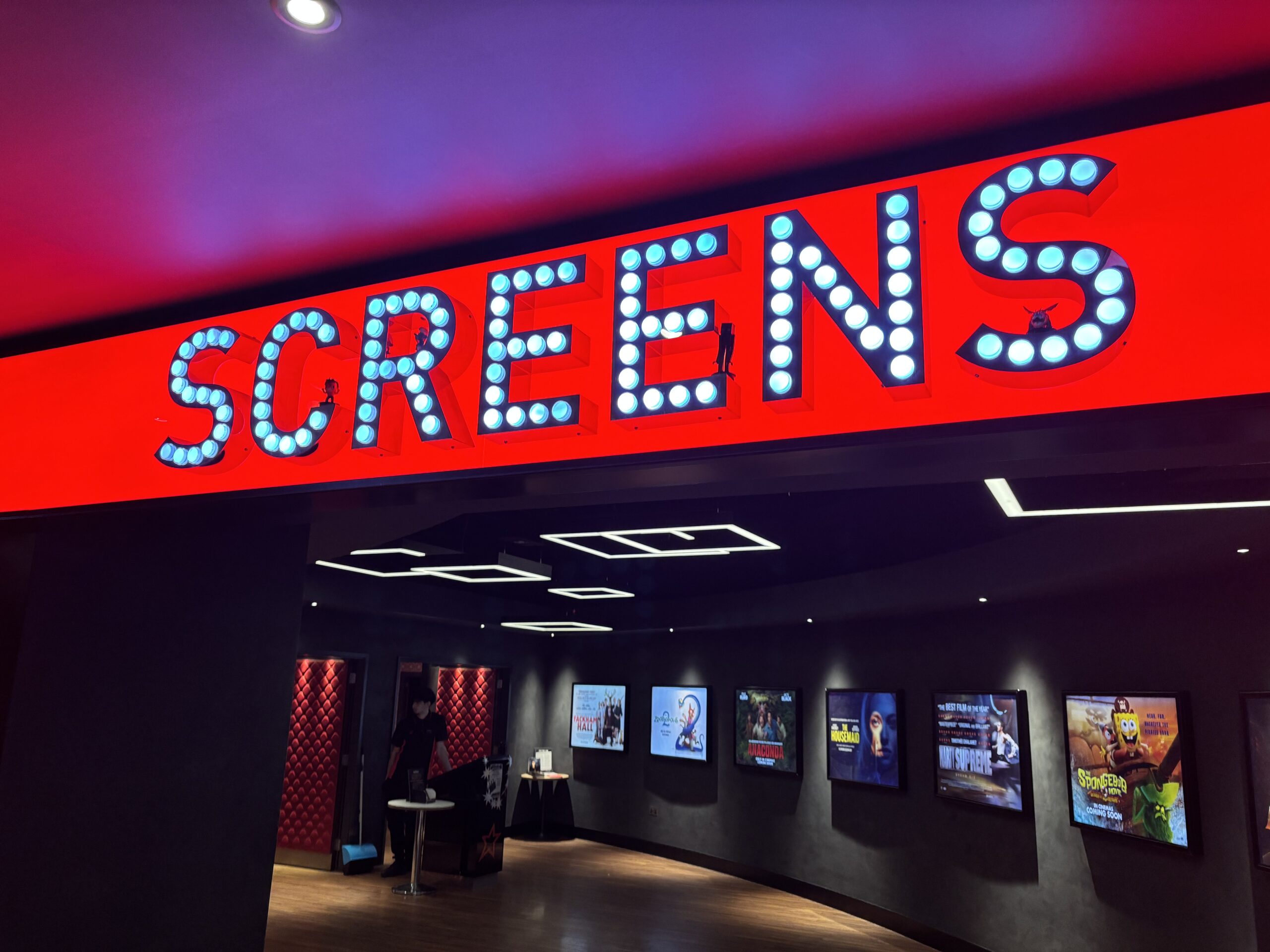
- Went to the cinema with a friend to see Man on the Run (2025), the new documentary about Paul McCartney. It roughly covers the period from the break-up of the Beatles at the start of the 1970s to the assassination of John Lennon at the beginning of the 1980s. I loved it. McCartney doesn’t seem afraid to mock the more ridiculous parts of his story, and there were plenty of moments where everyone in the cinema laughed out loud. I know the story well, having recently read the first two volumes of The McCartney Legacy, so like many music documentaries it fell short for me through what it excluded. For example, there was no coverage of his controversial period in the early 1970s where he was releasing songs like Give Ireland Back to the Irish, Wings’ first single. I’m here to pay good money for the 10-hour version, if anyone chooses to make it.
Audio
- For some reason I’ve once again been obsessed with The Prophet’s Song, the first track on side B of Queen’s A Night at the Opera. You can hear the track and read the amazing lyrics here. When a song gets buried into my brain I usually look for videos on YouTube of people reacting to hearing it for the first time. I absolutely love this guy’s face when he hears the a cappella section in the middle of the record:
Books
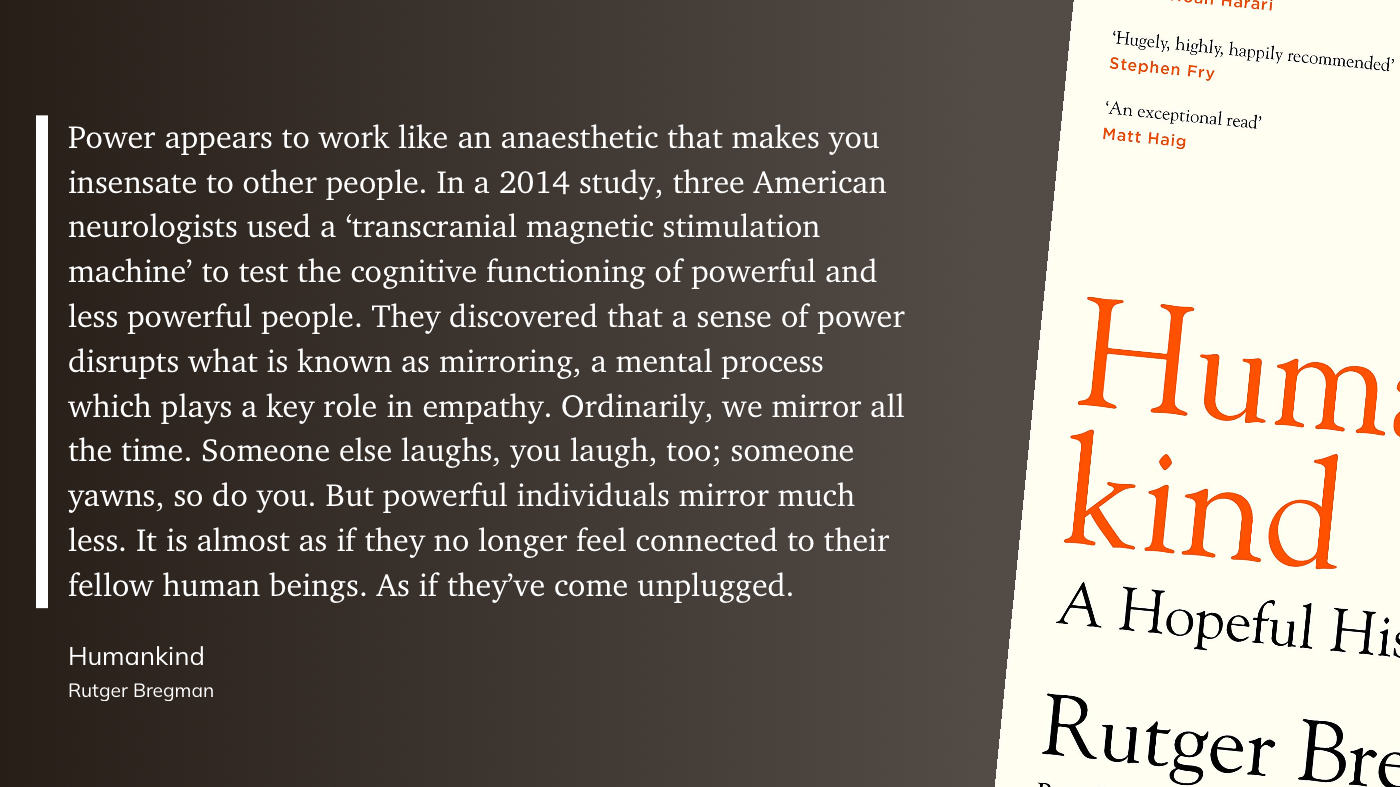
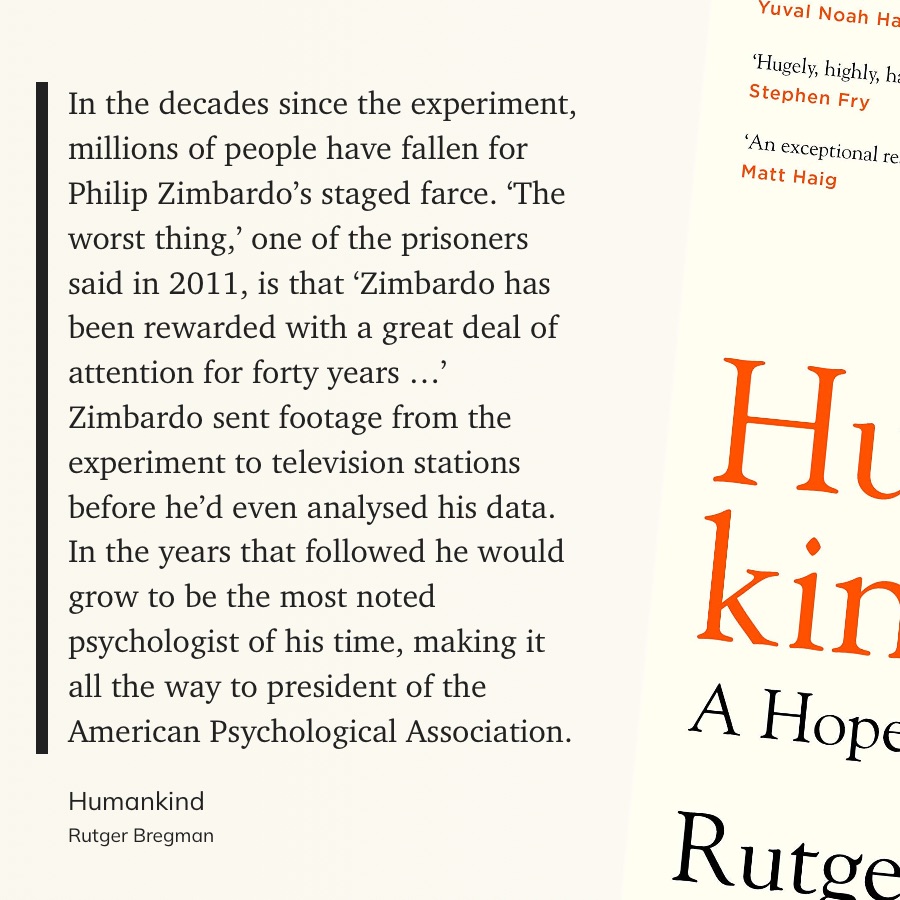
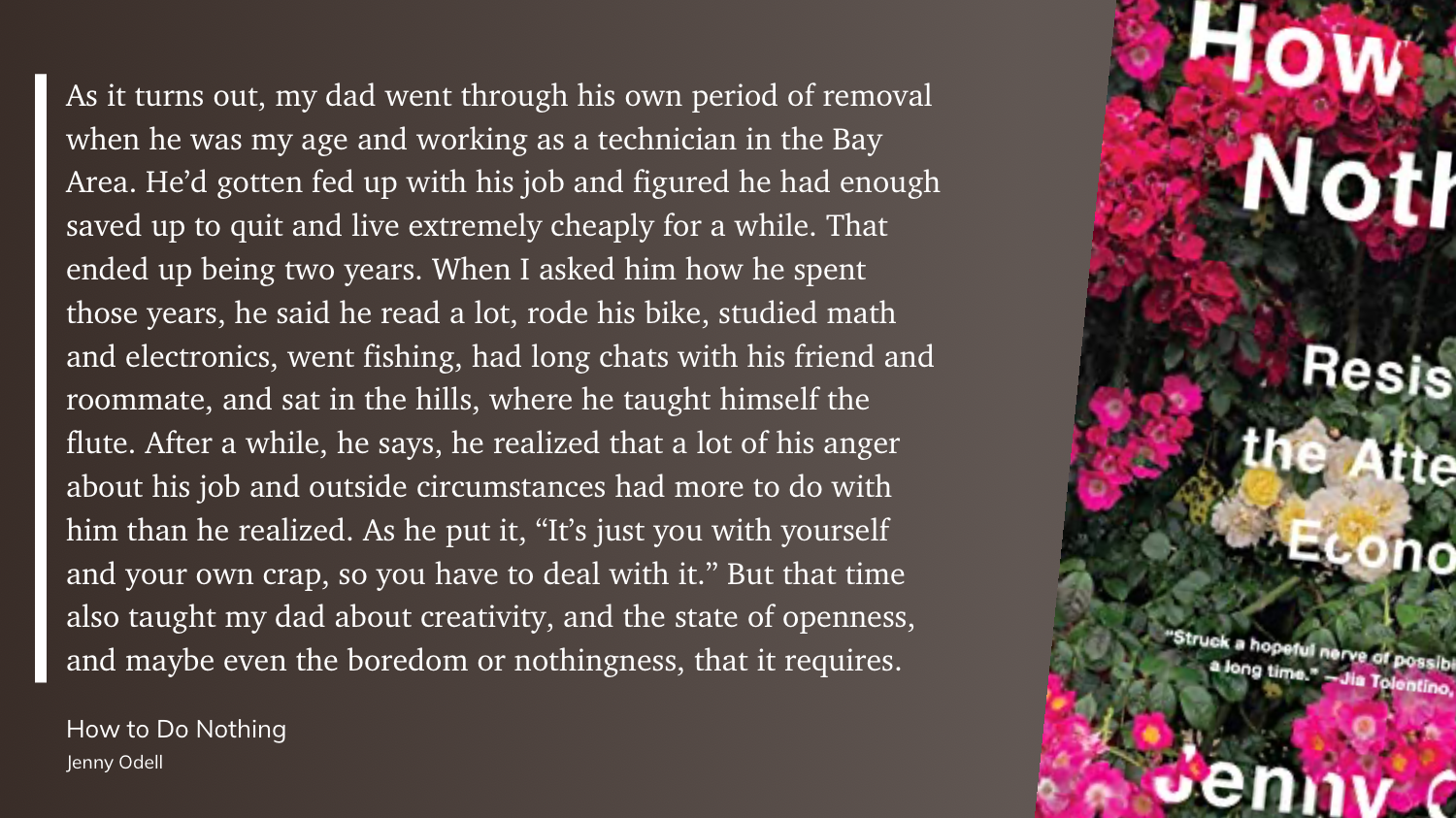
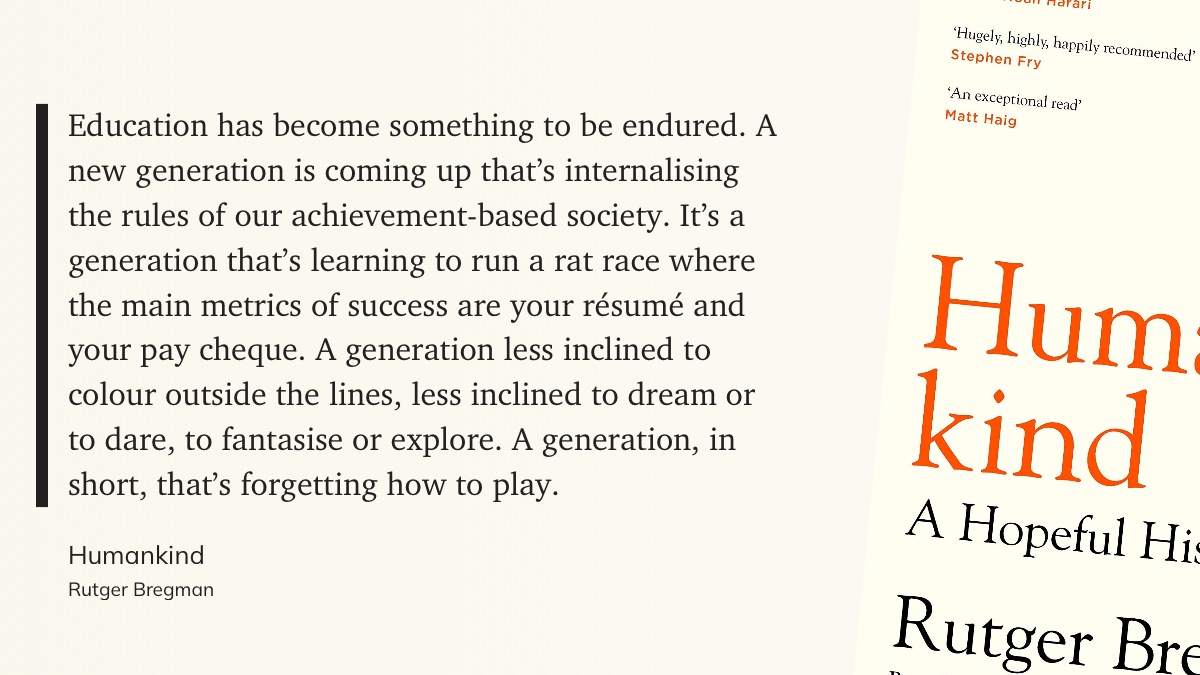
- I’m still not reading as much as I’d like. Progress through Humankind: A Hopeful History by Rutger Bregman is slow, which is taking away from some of the narrative. I’m going to have to look at my copious highlights when I’m done in order to connect all the pieces together.
Next week: An online Album Club, and going on a trip.